Youth Uprising in Nepal
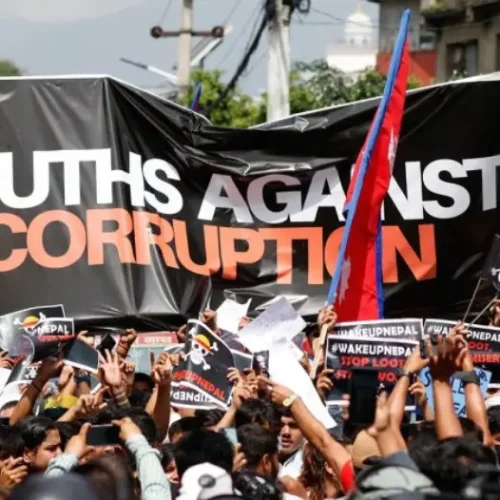
September 8 & 9 was the most astonishing movement our country ever witnessed and many consider it to be black day in history. It wasn’t only against the government’s sudden ban on 26 different social media platforms (including facebook, instagram, tiktok, etc.), which many young people saw as a restriction on expression, moreover towards the decades long standing corruption, nepotism and lack of opportunity for the new generation.
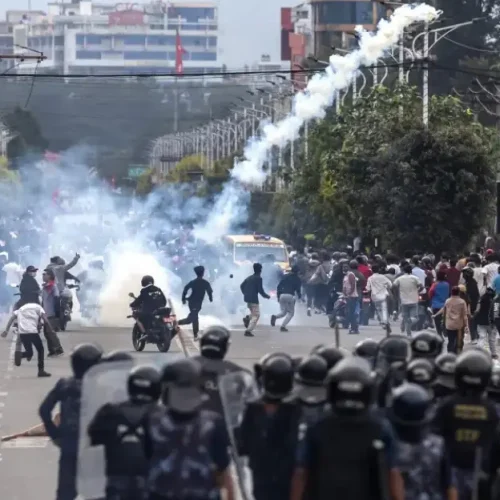
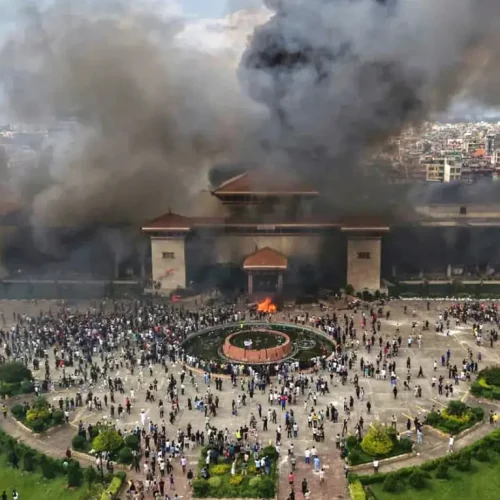
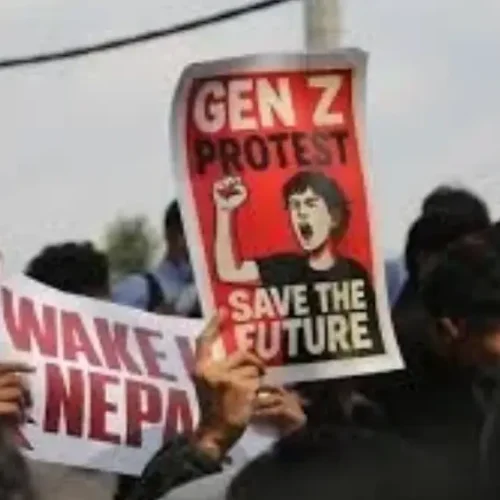
In the beginning it started peacefully with demonstration of different sign placards in ‘Maitighar’, a common location for demonstrations. It was clearly shown that the government underestimated the protest. Additionally, the protest was going across the nation on the same day (September-8). Demonstrations mostly included students in school dress, and mass number of the generation Z. The security force used gasses, water and shooting resulting in 19 students dead on the spot, and hundreds injured. The situation led to turmoil which led to destruction of most governmental properties, including the parliament, supreme court, police stations and so on.
The country burned in the blink of an eye, which shocked everyone. By the next day, the aggression of youth led to burning private properties of top political figures. Suddenly, there was no government, no judiciary, and no idea what’s next. The army took control of the catastrophic situation, slowly finding a way to peace.
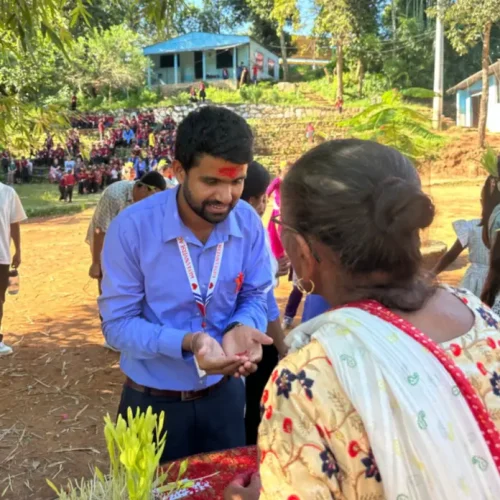
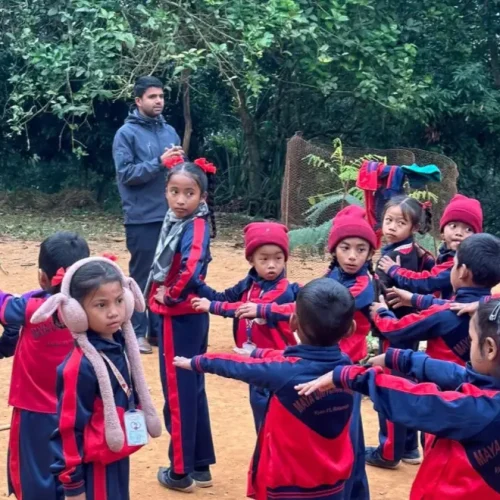
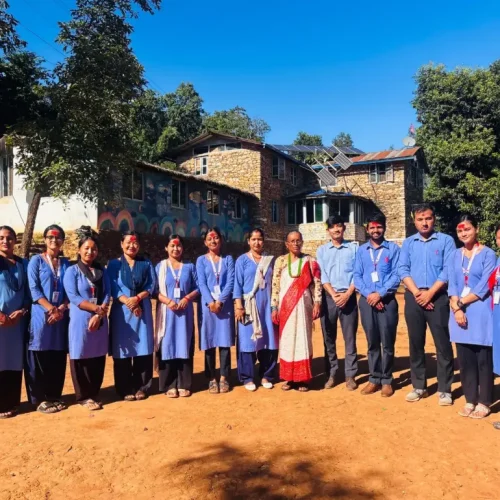
As the school principal of Maya, I am very hopeful of the possibilities in democracy. Most of our Mayans fall under the category of Gen Z, including myself. I could demonstrate the situation in classrooms, talking about how youth voices could be change a democracy and how smartphones and social media platforms play a vital role.
Nepal got its interim government with the first female prime minister with many trusted figures as ministers. This made politicians fearful and the people of Nepal hopeful of getting a golden chance to grow wisely again.
We have been fighting against the poor education system for more than a decade, showing hope and motivating rural young minds to be the change the nation requires. It even motivates us to work harder and keep going.
We should promote critical thinking, reflection, and student-led projects so that our young people understand both the power and the risks of activism. The events of 8–9 September remind us that the voice of youth is powerful and demands wisdom, rights, responsibility and safe spaces to be heard!
Furthermore, discussing situations such as this can help our students learn where to draw the line between disruption and constructive engagement, how one can turn frustration into responsible action and so on.